

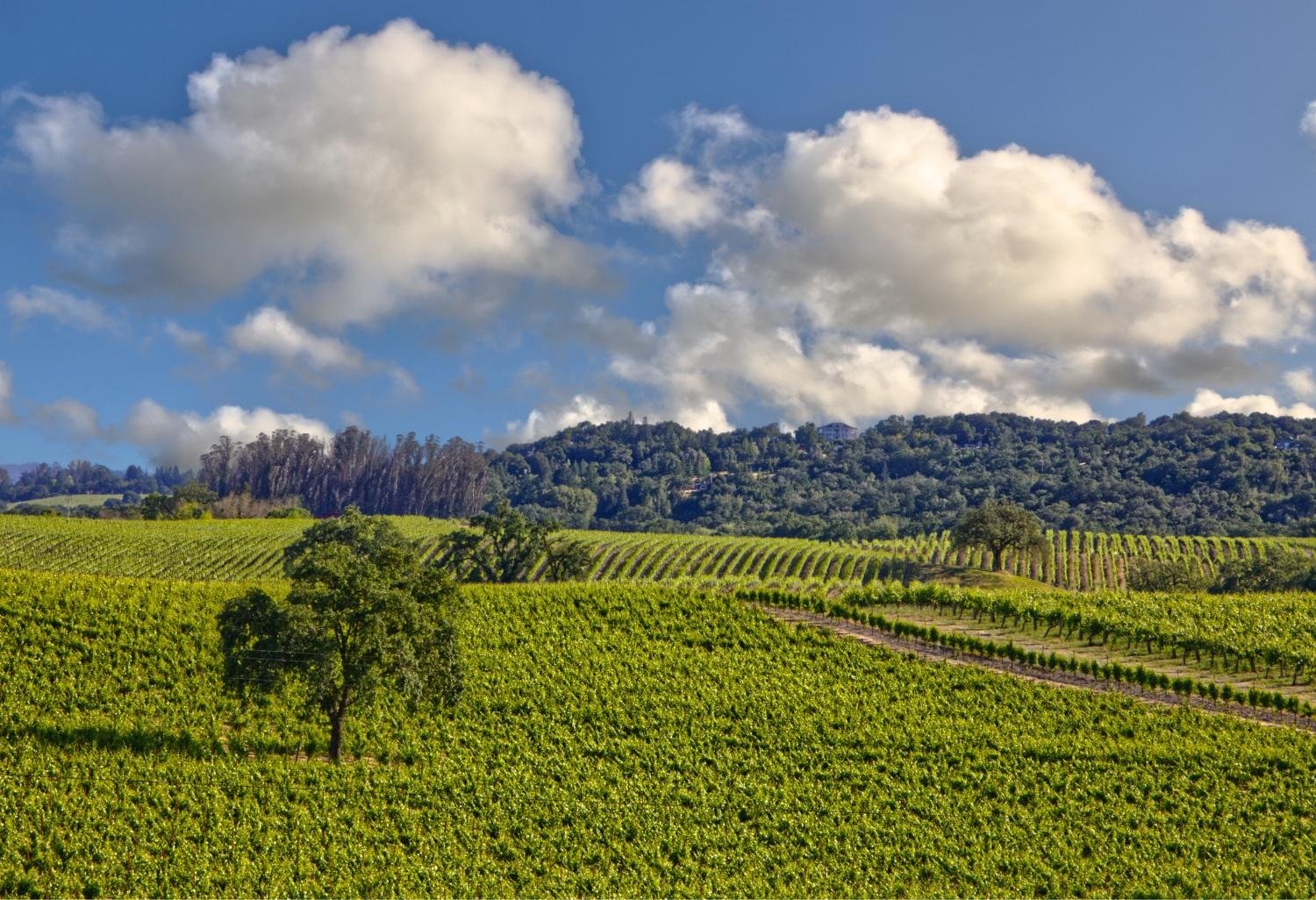
A proposed $600 million casino resort in Sonoma County, California, has become the center of a legal and cultural dispute between two Native American tribes, with concerns extending beyond economic competition to the protection of Indigenous heritage and tribal sovereignty.
The conflict involves the Koi Nation, which plans to develop the Shiloh Resort and Casino, and the Federated Indians of Graton Rancheria, who argue that the project threatens culturally significant land and was approved without proper consultation.
Federal Approval Sparks Opposition
In the final weeks of former U.S. President Joe Biden’s administration, federal officials approved the Koi Nation’s application to place the project site into trust a legal process that designates land as sovereign tribal territory and allows casino development under federal law.
The decision immediately drew strong objections from the Graton Rancheria, which has opposed the project since it was first announced in 2021. Tribal leaders argue that the Koi Nation has no historical or ancestral connection to the proposed site near Windsor, California, and claim the approval process overlooked important legal and cultural requirements.
Concerns Over Cultural Heritage
The Graton Rancheria maintains that the proposed development area contains significant Indigenous cultural resources, including archaeological sites and possible human remains.
According to the tribe, federal agencies failed to conduct adequate consultation during archaeological investigations, despite requirements under the National Historic Preservation Act. The tribe also alleges that several field surveys—including testing of obsidian artifacts—were carried out without its participation.
In a lawsuit filed in late 2024, the Graton Rancheria argued that environmental and archaeological reviews were incomplete and that discoveries made during fieldwork demonstrated the cultural importance of the land.
The tribe believes any future decisions involving excavation, preservation, or reburial of cultural materials should involve direct consultation with local Indigenous communities.
A Multi-Billion-Dollar Regional Rivalry
The proposed 68-acre Shiloh Resort and Casino would feature:
- A 530,000-square-foot casino
- A 400-room hotel
- Entertainment and hospitality facilities
The development would compete directly with the nearby Graton Resort and Casino, operated by the Federated Indians of Graton Rancheria, making the project significant not only culturally but also economically.
Koi Nation Defends the Project
The Koi Nation views the federal approval as a historic achievement.
Tribal Chair Darin Beltran said the project will provide a permanent sovereign land base, expand economic opportunities, strengthen tribal self-governance, and create long-term benefits for future generations of Koi Nation citizens.
Supporters argue that the resort represents an important step toward economic independence for the federally recognized tribe.
Legal Battle Continues
Although the project is expected to begin construction in 2026, final approval still depends on additional environmental and regulatory reviews by the Bureau of Indian Affairs.
Meanwhile, the Federated Indians of Graton Rancheria have pledged to continue challenging the decision in court, arguing that the approval sets a dangerous precedent for tribal sovereignty and the protection of culturally significant Indigenous lands.
The dispute highlights the complex balance between economic development, federal tribal policy, cultural preservation, and the rights of Native American communities to protect their ancestral heritage.
