

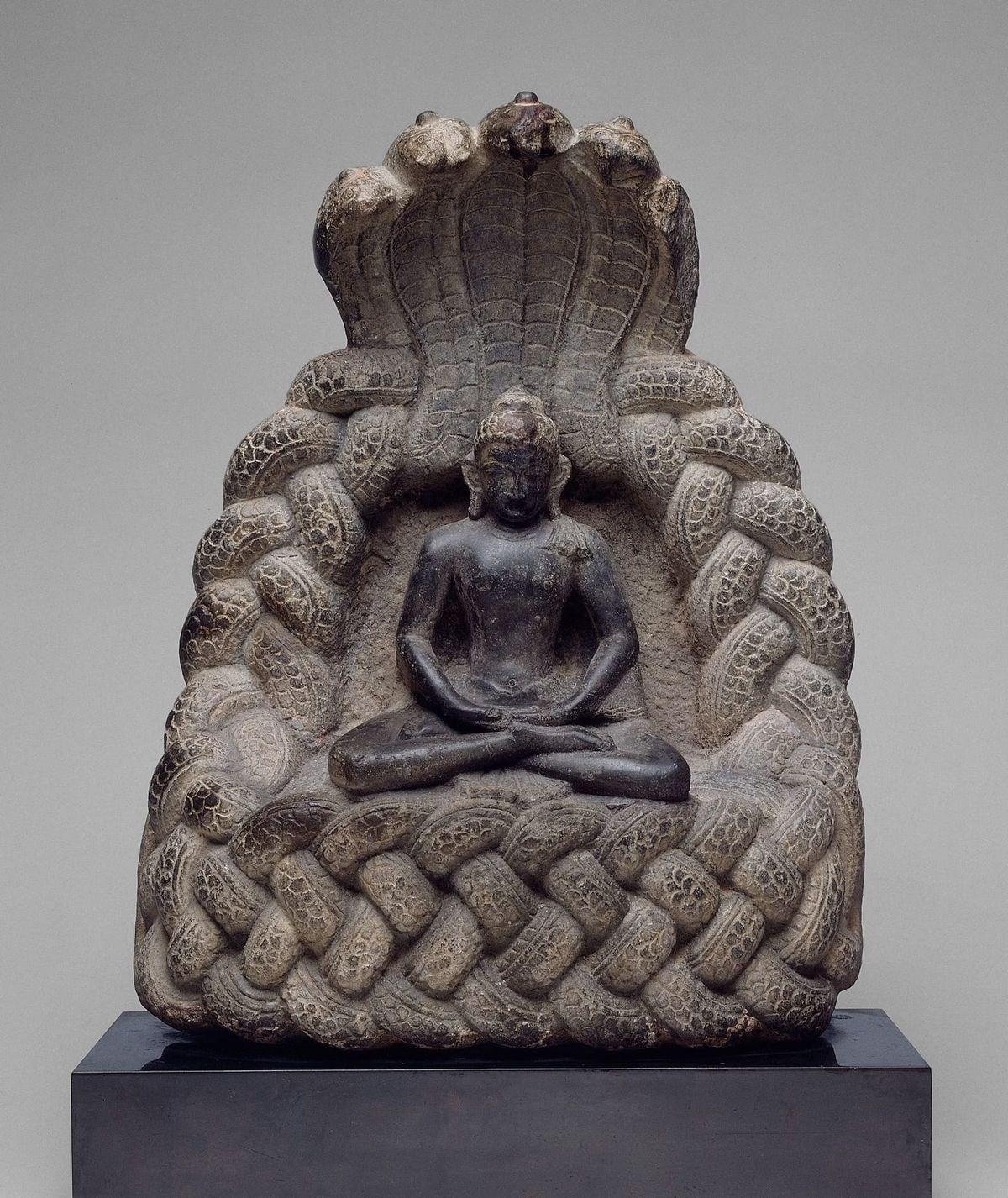
The Art Institute of Chicago (AIC) has announced the voluntary return of a rare 12th-century Nepalese Buddha sculpture, following new provenance research that confirmed the artwork had been removed from its original religious site in Nepal.
The decision reflects the museum’s ongoing commitment to ethical collecting practices and the restitution of cultural heritage to its rightful communities.
Provenance Research Reveals the Sculpture’s Origin
The artwork, Buddha Sheltered by the Serpent King Muchalinda, was identified as having been taken from Guita Bahi, a historic religious site in Nepal’s Kathmandu Valley.
After uncovering new evidence about the sculpture’s history, the Art Institute of Chicago proactively contacted the Embassy of Nepal in Washington, D.C., to begin the repatriation process.
The museum’s dedicated provenance research department—one of the largest in the United States—played a central role in tracing the object’s origins and confirming its connection to Nepal.
A Sacred Cultural Treasure
Dating back to the 12th century, the sculpture portrays the Buddha being protected by the serpent king Muchalinda, a revered image in Buddhist tradition symbolizing protection, resilience, and the impermanence of worldly suffering.
The sculpture had been displayed at the Art Institute of Chicago since 1997, where it became part of the museum’s South Asian art collection.
Strengthening Cultural Partnerships
Museum officials described the return as an example of how careful provenance research and international cooperation can help restore important cultural heritage.
The Embassy of Nepal welcomed the decision, emphasizing that the sculpture represents centuries of the country’s religious, spiritual, and artistic traditions.
Officials noted that returning the sacred artwork allows future generations to reconnect with an important part of Nepal’s cultural identity while strengthening cooperation between Nepalese institutions and international museums.
A Growing Movement Toward Repatriation
The Art Institute of Chicago joins a growing number of major museums that have returned cultural objects to Nepal in recent years.
Institutions including the Rubin Museum and the Metropolitan Museum of Art have also repatriated Nepalese antiquities after provenance investigations revealed that several artifacts had been removed from the country through illicit trafficking networks.
These efforts reflect an increasing global focus on provenance research, transparency, and the ethical stewardship of cultural heritage.
