

A contemporary art exhibition in Guadeloupe has sparked political controversy after featuring a provocative artwork depicting French President Emmanuel Macron in a violent and symbolic manner.
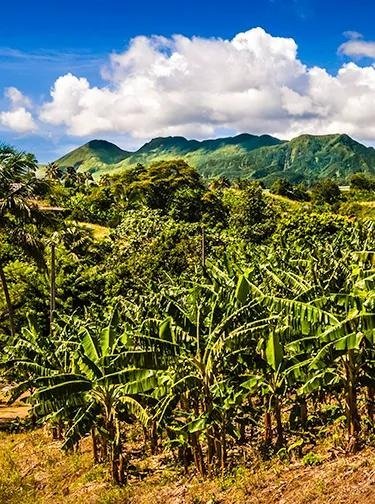
The exhibition, titled Exposé.e.s au chlordécone (“Exposed to Chlordecone”), opened in January at the Centre des Arts in Pointe-à-Pitre. It explores the long-term environmental and public health consequences of chlordecone, a toxic pesticide widely used on banana plantations in Guadeloupe and Martinique during the late twentieth century.
Artwork Draws Government Criticism
One of the exhibition’s most talked-about pieces portrays President Macron in a graphic, symbolic scene that French authorities have described as an “incitement to violence.”
According to local reports, the exhibition was organized by the Kolèktif Rézistans, an artist collective known for addressing social, historical, and political issues affecting the French Caribbean.
The controversial artwork is attributed to an artist known as Blow, whose work uses strong visual imagery to highlight ongoing debates surrounding the legacy of chlordecone contamination.
The Legacy of Chlordecone
Chlordecone is a highly toxic insecticide that was extensively used on banana plantations in Guadeloupe and Martinique for decades despite growing concerns about its health and environmental risks.
The chemical has been linked to long lasting soil contamination and remains one of the region’s most sensitive political and environmental issues. Many residents continue to seek greater accountability and recognition of the pesticide’s lasting impact on local communities.
Uncertain Legal Outcome
French officials have criticized the artwork, arguing that its imagery crosses the line into encouraging violence against a public figure.
However, it remains unclear whether legal action will be pursued. As of now, French authorities have not announced any final decision regarding the exhibition or the artwork.
The controversy has reignited debate over the boundaries of artistic freedom, political expression, and protest art, particularly when addressing historical injustices and environmental crises.
