

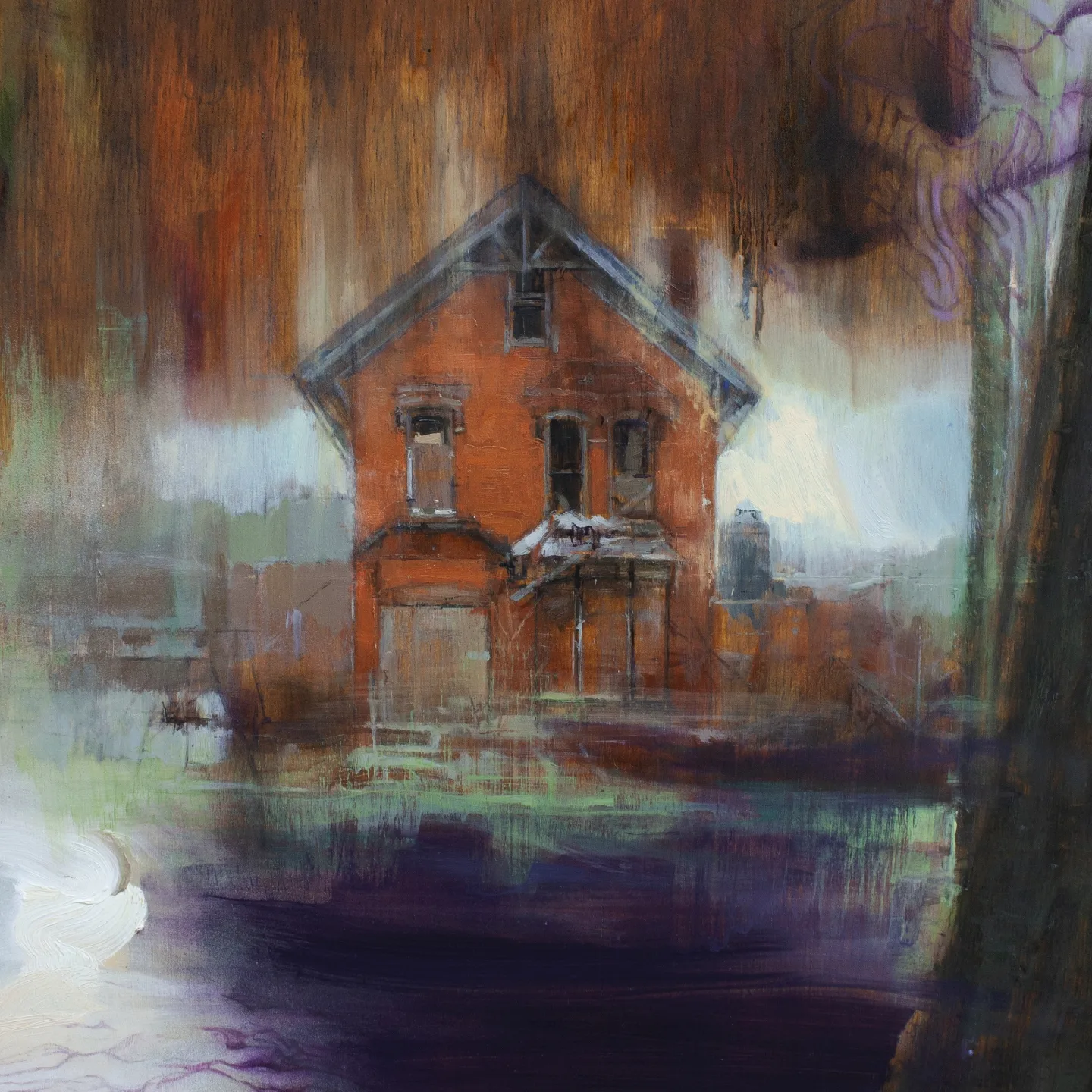
Carlos Asensio is a Spanish contemporary artist and researcher whose career brings together artistic practice, academic inquiry, and international cultural exchange. Born in Castellón, Spain, in 1986, Asensio has developed a professional path that extends beyond the studio, combining advanced education in fine arts with research, writing, exhibitions, and international artistic experiences.
His academic background includes a PhD in Fine Arts and a Master’s degree in Artistic Production from the Polytechnic University of Valencia in Spain. He also completed a Studio Program at the Berlin Art Institute in Germany, an experience that further expanded his engagement with contemporary artistic practice within an international context.
Throughout his career, Asensio has maintained a strong connection between making art and researching ideas. His work has been presented in solo and group exhibitions across Europe and beyond, while his academic research has led him to participate in international university conferences and contribute to publications in humanities journals and books.
With five solo exhibitions and participation in more than eighty group exhibitions across multiple countries, Carlos Asensio has established a significant international presence. His work is also represented in four museums and numerous private collections throughout Europe.
An Artistic Journey Rooted in Fine Arts
Born in 1986 in Castellón, Carlos Asensio developed his artistic career within the broader context of contemporary Spanish art.
His decision to pursue advanced education in fine arts reflects a commitment to understanding art not only as a creative practice but also as an intellectual and cultural field.
He completed a Master’s degree in Artistic Production before earning a PhD in Fine Arts from the Polytechnic University of Valencia. These studies provided him with an extensive foundation for developing his artistic ideas while also allowing him to engage with critical and theoretical questions surrounding contemporary art.
For Asensio, artistic development has therefore been closely connected to research and investigation. His practice demonstrates how the role of a contemporary artist can extend beyond the creation of individual artworks to include writing, academic research, discussion, and cultural exchange.
The Influence of International Artistic Environments
An important part of Asensio’s professional development was his participation in the Studio Program at the Berlin Art Institute in Germany.
Berlin is widely recognized as an important center for contemporary art, known for its diverse artistic communities and experimental approaches. Spending time within such an international environment provided Asensio with an opportunity to engage with new perspectives and broaden his understanding of contemporary artistic practices.
The experience also placed his work within a wider European context, allowing him to connect his Spanish background with an international network of artistic ideas and influences.
For an artist whose career combines research and practice, international experiences such as this can offer valuable opportunities for dialogue and reflection. They can challenge established assumptions and encourage artists to consider their work from new perspectives.
Art and Academic Research
Research is a significant part of Carlos Asensio’s professional identity.
His academic work has led him to participate in several international university conferences, where he has contributed to discussions within the humanities and artistic research.
He has also published his research in journals and books related to the humanities. These activities demonstrate a sustained interest in the relationship between art, knowledge, and critical thought.
The connection between artistic production and academic research is increasingly important within contemporary art. Artists often investigate questions that extend beyond the visual object, exploring cultural, social, historical, and philosophical themes.
Asensio’s career reflects this broader understanding of artistic practice. His work exists within an environment where creating, researching, writing, and discussing ideas can all contribute to the development of an artist’s perspective.
Five Solo Exhibitions Across Spain
Carlos Asensio has presented his work in five solo exhibitions at various locations throughout Spain.
Solo exhibitions offer artists the opportunity to present a more complete vision of their practice. Rather than appearing alongside the work of other artists, the artist’s ideas and creative concerns can be explored through a more focused presentation.
For Asensio, these exhibitions have provided opportunities to develop and communicate his artistic language while engaging directly with audiences.
The presence of multiple solo exhibitions across different locations in Spain also reflects the development of his career within his home country before expanding his exhibition activity internationally.
More Than Eighty Group Exhibitions
Alongside his solo projects, Asensio has participated in more than eighty group exhibitions.
His work has been shown in countries including Spain, Italy, Germany, the Netherlands, the Czech Republic, Slovakia, the United States, and Australia.
This extensive exhibition history demonstrates the international reach of his artistic practice. Group exhibitions provide artists with opportunities to place their work in dialogue with other creative voices, allowing audiences to encounter different perspectives within a shared exhibition context.
For Asensio, participation in exhibitions across such a wide geographical range has contributed to a career shaped by international exchange.
From European exhibition spaces to venues in the United States and Australia, his work has reached audiences across different cultural environments.
A Presence Within Museums and Private Collections
The institutional and private recognition of Carlos Asensio’s work is reflected in its inclusion in four museums and numerous private collections throughout Europe.
Having work acquired by museums represents an important milestone in an artist’s career. It places the artwork within a context of cultural preservation and ensures that it can remain accessible as part of an institution’s broader artistic and historical record.
At the same time, the presence of his work in private collections demonstrates its ability to connect with individual collectors.
Together, these forms of collection represent different aspects of an artist’s relationship with audiences. Museums preserve and contextualize artworks for future generations, while private collectors develop personal relationships with the pieces they choose to acquire.
A Career Connecting Spain and the World
Carlos Asensio’s career reflects a balance between a strong Spanish foundation and an increasingly international artistic presence.
His education in Valencia, his origins in Castellón, and his exhibitions throughout Spain form the foundation of his professional journey. At the same time, his participation in the Berlin Art Institute Studio Program and his exhibitions across Europe, the United States, and Australia have expanded the geographical scope of his practice.
This movement between local and international contexts is characteristic of contemporary artistic careers, where artists increasingly engage with global networks while maintaining connections to their cultural origins.
Asensio’s work has developed within this environment of exchange, allowing his artistic practice to exist within a broader international conversation.
The Artist as Researcher and Cultural Contributor
One of the defining aspects of Carlos Asensio’s career is the combination of artistic production and intellectual research.
His PhD in Fine Arts, academic publications, and participation in university conferences demonstrate a commitment to contributing to conversations surrounding art and the humanities.
At the same time, his extensive exhibition record shows that his practice remains firmly connected to the experience of presenting art to audiences.
This combination creates a multifaceted professional identity. Asensio is not only an artist exhibiting his work but also a researcher engaging with ideas and contributing to academic and cultural discussions.
An Expanding Artistic Legacy
From his beginnings in Castellón to his international exhibitions and academic research, Carlos Asensio has developed a career characterized by curiosity, commitment, and continuous engagement with the contemporary art world.
His five solo exhibitions and more than eighty group exhibitions demonstrate a sustained commitment to presenting his work publicly. His participation in international exhibitions has introduced his practice to audiences across Europe and beyond, while the inclusion of his work in museums and private collections has helped establish a lasting presence.
His journey also illustrates the increasingly interconnected nature of contemporary art. Through education, research, exhibitions, and international programs, Asensio has built a practice that moves comfortably between the studio, the gallery, the museum, and the academic world.
As his career continues to evolve, Carlos Asensio remains an artist whose work is supported by a strong foundation in fine arts and research. His international experiences and extensive exhibition history reflect an ongoing engagement with contemporary artistic dialogue, while his presence in institutional and private collections ensures that his creative contributions continue to reach audiences across generations and borders.
